Buy whatdreamsmaycome.eu ?
We are moving the project
whatdreamsmaycome.eu .
Are you interested in purchasing the domain
whatdreamsmaycome.eu ?
domain@kv-gmbh.de · 0541-91531010
Buy whatdreamsmaycome.eu ?
How do glaciers melt?
Glaciers melt primarily due to a combination of rising temperatures and the effects of sunlight. When the air temperature increases, the heat is transferred to the glacier, causing the ice to melt. Additionally, sunlight can also contribute to the melting process by absorbing heat and accelerating the melting of the ice. As the ice melts, the water flows into rivers and oceans, contributing to rising sea levels. This process is exacerbated by climate change, which is causing glaciers to melt at an accelerated rate. **
How can glaciers shape rocks?
Glaciers can shape rocks through a process called glacial erosion. As glaciers move, they pick up rocks and debris, which act as tools to grind and scrape the underlying bedrock. This process can create features such as striations, grooves, and polished surfaces on rocks. Additionally, as glaciers melt, they can deposit the rocks they were carrying, forming landforms like moraines and drumlins. **


Similar search terms for Glaciers
Top-Angebote
Products related to Glaciers:
-
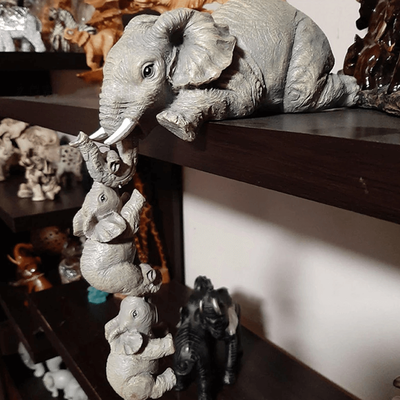
HomeDecorAndMore LLC Parent Child Hope Elephant Parent Child Hope ElephantDo you want to adorably embellish your home with something that will also bring prosperity to it If so, this ParentChild Hope Elephant is just for you. This motherbaby ornament not only beautifies your home but also symbolizes prosperity, wisdom and...24,97 $*Shipping: 0,00 $Secure redirect to the provider
-
Well Woven Ruby Imagination Squares Modern Geometric Area RugMade of air twist polypropylene. Super plush pile. Hand carved designs. Stain and fade resistant. Extremely durable and very easy to clean. 100% jute backing is safe for wood floors.232,74 $*Shipping: 0,00 $Secure redirect to the provider


-
What functions do glaciers have?
Glaciers play several important functions in the environment. They act as reservoirs of freshwater, storing large amounts of water in the form of ice. Glaciers also help regulate global climate by reflecting sunlight and cooling the Earth's surface. Additionally, they shape the landscape through processes like erosion and deposition, creating unique landforms such as valleys, fjords, and moraines. Overall, glaciers are crucial components of the Earth's system and have a significant impact on both the environment and human societies. **
-
How can glaciers erode rocks?
Glaciers can erode rocks through a process called plucking and abrasion. Plucking occurs when the glacier freezes onto the rock and then pulls it away as the glacier moves, causing pieces of the rock to be plucked off. Abrasion occurs as the glacier moves and the rocks embedded in the ice scrape against the bedrock, wearing it down over time. These processes can result in the formation of glacial valleys, cirques, and other landforms as the glacier erodes the surrounding rock. **
-
Why are glaciers the Earth's thermometers?
Glaciers are considered the Earth's thermometers because they are sensitive indicators of climate change. As temperatures rise, glaciers melt at a faster rate, and their size and extent decrease. By studying the changes in glaciers, scientists can track variations in temperature over time. Additionally, the composition of the ice in glaciers can provide information about past climate conditions, making them valuable tools for understanding the Earth's climate history. **
-
Under what conditions do glaciers form?
Glaciers form under specific conditions of temperature and precipitation. They require cold temperatures to prevent the snow from melting, and a consistent accumulation of snowfall over time. This snow then compresses into ice, forming a glacier. Glaciers are typically found in polar regions or high mountainous areas where these conditions are met. **


How have glaciers shaped the ground cover?
Glaciers have significantly shaped the ground cover through processes like erosion, deposition, and transportation of sediments. As glaciers move, they scrape and erode the land, creating valleys, fjords, and cirques. The sediments carried by glaciers are deposited as moraines, drumlins, and eskers, altering the landscape. The melting of glaciers also contributes to the formation of lakes and wetlands, further shaping the ground cover. **
What are the different types of glaciers?
There are two main types of glaciers: alpine glaciers and ice sheets. Alpine glaciers are found in mountainous regions and flow down valleys, while ice sheets are massive glaciers that cover large areas of land. Other types of glaciers include tidewater glaciers, which flow into the ocean, and hanging glaciers, which are perched on steep slopes. Each type of glacier has unique characteristics and plays a crucial role in shaping the landscape and influencing climate. **
Top-Angebote
Products related to Glaciers:
-
FOREO Imagination 100mlFOREO Imagination unique formula acts as the perfect base to your homemade face mask - so now you can make the most out of the fresh, natural ingredients from your kitchen. Formulated with Triple Infusion Complex, active nutrients are absorbed deep into the skin, feeding it from within. This antioxidant rich innovative product is enriched with Squalane and Vitamin E to help replenish fatty acids, and protect the skin from UV damage and damage caused by free radicals, leaving your skin looking and feeling healthier than ever before. Ingredients Aqua/Water/Eau, Glycerin, Cetearyl Alcohol, Caprylic/Capric Triglyceride, Cetyl Ethylhexanoate, Glyceryl Stearate, PEG-100 Stearate, Glycereth-26, Magnesium Aluminometasilicate, Dicaprylyl Carbonate, Hydroxyethyl Acrylate/Sodium Acryloyldimethyl Taurate Copolymer, Squalane, Potassium Cetyl Phosphate, Polysorbate 60, Trehalose, Hydroxyacetophenone, Pentaerythrityl Distearate, 1,2-Hexanediol, Xanthan Gum, Phospholipids, Allantoin, Panthenol, Bis-Ethoxydiglycol Cyclohexane 1,4-Dicarboxylate, Tocopheryl Acetate, Citrus Aurantium Dulcis Oil, Glycine Soja Oil, Sodium PCA, Disodium EDTA, Glycolipids, Dipotassium Glycyrrhizate, Glycine Soja Sterols, Propylene Glycol, Sodium Hyaluronate, Linoleic Acid, Glyceryl Linolenate41,99 £*Shipping: 0,00 £Secure redirect to the provider
-
bareMinerals Mineralist Gloss-Balm-ImaginationDrench lips with sheer colour and glossy shine. Enriched with sustainably sourced fruit oils, this vegan lip gloss-balm delivers instant nourishment in a cushiony, non-sticky formula. Lips feel softer, smoother and more hydrated over time - even after you take it off. The cap and vial are made with post-consumer recycled plastic. Get the best of gloss and balm in one: sheer colour, high-shine and irresistibly soft lips. 90% said their lips felt instantly hydrated* Delivers up to 50% smoother lips in just 1 week* Based on a 1-week clinical study with 30 people. Results may vary. Dermatologist-tested. Shades: • Ambition • Clarity • Enlightenment • Heart • Imagination • Ingenuity • Love • Peace • Serenity • Sincerity • Trust • Vision • Wonder • Zen Ingredients Ambition, Clarity, Enlightenment, Heart, Imagination, Ingenuity, Love, Peace, Serenity, Sincerity, Trust, Vision, Wonder, Zen: Diisostearyl Malate, Phenyl Dimethicone, Triisostearyl Citrate, Glyceryl Behenate, Helianthus Annuus (Sunflower) Seed Wax, Simmondsia Chinensis (Jojoba) Seed Oil, Punica Granatum Flower Extract, Hippophae Rhamnoides Oil, Prunus Domestica Seed Oil, Ascorbyl Palmitate, Tocopherol, Silica Dimethyl Silylate, Calcium Stearate, Polyglyceryl-2 Triisostearate, Flavor (Aroma), Linalool. May Contain/Peut Contenir (+/-): Mica, Titanium Dioxide (Ci 77891), Iron Oxides (Ci 77491, Ci 77492, Ci 77499), Blue 1 Lake (Ci 42090), Red 7 Lake (Ci 15850), Red 28 Lake (Ci 45410), Yellow 5 Lake (Ci 19140).15,60 £*Shipping: 2,95 £Secure redirect to the provider
-
HomeDecorAndMore LLC Parent Child Hope Elephant Parent Child Hope ElephantDo you want to adorably embellish your home with something that will also bring prosperity to it If so, this ParentChild Hope Elephant is just for you. This motherbaby ornament not only beautifies your home but also symbolizes prosperity, wisdom and...24,97 $*Shipping: 0,00 $Secure redirect to the provider
-
How do glaciers melt?
Glaciers melt primarily due to a combination of rising temperatures and the effects of sunlight. When the air temperature increases, the heat is transferred to the glacier, causing the ice to melt. Additionally, sunlight can also contribute to the melting process by absorbing heat and accelerating the melting of the ice. As the ice melts, the water flows into rivers and oceans, contributing to rising sea levels. This process is exacerbated by climate change, which is causing glaciers to melt at an accelerated rate. **
-
How can glaciers shape rocks?
Glaciers can shape rocks through a process called glacial erosion. As glaciers move, they pick up rocks and debris, which act as tools to grind and scrape the underlying bedrock. This process can create features such as striations, grooves, and polished surfaces on rocks. Additionally, as glaciers melt, they can deposit the rocks they were carrying, forming landforms like moraines and drumlins. **
-
What functions do glaciers have?
Glaciers play several important functions in the environment. They act as reservoirs of freshwater, storing large amounts of water in the form of ice. Glaciers also help regulate global climate by reflecting sunlight and cooling the Earth's surface. Additionally, they shape the landscape through processes like erosion and deposition, creating unique landforms such as valleys, fjords, and moraines. Overall, glaciers are crucial components of the Earth's system and have a significant impact on both the environment and human societies. **
-
How can glaciers erode rocks?
Glaciers can erode rocks through a process called plucking and abrasion. Plucking occurs when the glacier freezes onto the rock and then pulls it away as the glacier moves, causing pieces of the rock to be plucked off. Abrasion occurs as the glacier moves and the rocks embedded in the ice scrape against the bedrock, wearing it down over time. These processes can result in the formation of glacial valleys, cirques, and other landforms as the glacier erodes the surrounding rock. **
Similar search terms for Glaciers
-
Well Woven Ruby Imagination Squares Modern Geometric Area RugMade of air twist polypropylene. Super plush pile. Hand carved designs. Stain and fade resistant. Extremely durable and very easy to clean. 100% jute backing is safe for wood floors.232,74 $*Shipping: 0,00 $Secure redirect to the provider
-
Why are glaciers the Earth's thermometers?
Glaciers are considered the Earth's thermometers because they are sensitive indicators of climate change. As temperatures rise, glaciers melt at a faster rate, and their size and extent decrease. By studying the changes in glaciers, scientists can track variations in temperature over time. Additionally, the composition of the ice in glaciers can provide information about past climate conditions, making them valuable tools for understanding the Earth's climate history. **
-
Under what conditions do glaciers form?
Glaciers form under specific conditions of temperature and precipitation. They require cold temperatures to prevent the snow from melting, and a consistent accumulation of snowfall over time. This snow then compresses into ice, forming a glacier. Glaciers are typically found in polar regions or high mountainous areas where these conditions are met. **
-
How have glaciers shaped the ground cover?
Glaciers have significantly shaped the ground cover through processes like erosion, deposition, and transportation of sediments. As glaciers move, they scrape and erode the land, creating valleys, fjords, and cirques. The sediments carried by glaciers are deposited as moraines, drumlins, and eskers, altering the landscape. The melting of glaciers also contributes to the formation of lakes and wetlands, further shaping the ground cover. **
-
What are the different types of glaciers?
There are two main types of glaciers: alpine glaciers and ice sheets. Alpine glaciers are found in mountainous regions and flow down valleys, while ice sheets are massive glaciers that cover large areas of land. Other types of glaciers include tidewater glaciers, which flow into the ocean, and hanging glaciers, which are perched on steep slopes. Each type of glacier has unique characteristics and plays a crucial role in shaping the landscape and influencing climate. **
* All prices are inclusive of VAT and, if applicable, plus shipping costs. The offer information is based on the details provided by the respective shop and is updated through automated processes. Real-time updates do not occur, so deviations can occur in individual cases. ** Note: Parts of this content were created by AI.