Buy whatdreamsmaycome.eu ?
We are moving the project
whatdreamsmaycome.eu .
Are you interested in purchasing the domain
whatdreamsmaycome.eu ?
domain@kv-gmbh.de · 0541-91531010
Buy whatdreamsmaycome.eu ?
Are punctuation marks and emojis analogous?
Punctuation marks and emojis serve different purposes in written communication. Punctuation marks are used to clarify the structure and meaning of a sentence, while emojis are used to convey emotions, tone, and nonverbal cues. While both can enhance written communication, they are not entirely analogous as they serve different functions. Emojis are more akin to nonverbal cues in face-to-face communication, while punctuation marks are more about organizing and clarifying written text. **
Are Maybugs analogous or homologous animals?
Maybugs, also known as cockchafers, are not analogous or homologous to any other animals. They are a unique species of beetle belonging to the family Scarabaeidae. Analogous structures are similar in function but not in structure or evolutionary origin, while homologous structures are similar in structure and evolutionary origin but not necessarily in function. Maybugs do not share these similarities with any other animals, making them a distinct and separate species. **


Similar search terms for Analogous
Top-Angebote
Products related to Analogous:
-
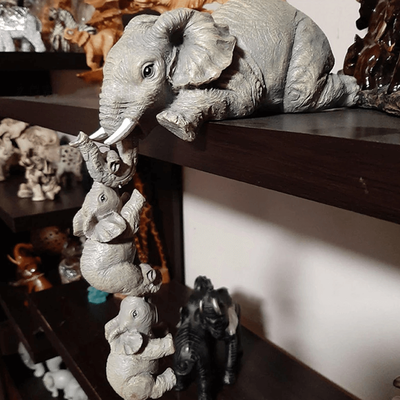
HomeDecorAndMore LLC Parent Child Hope Elephant Parent Child Hope ElephantDo you want to adorably embellish your home with something that will also bring prosperity to it If so, this ParentChild Hope Elephant is just for you. This motherbaby ornament not only beautifies your home but also symbolizes prosperity, wisdom and...24,97 $*Shipping: 0,00 $Secure redirect to the provider
-
Well Woven Ruby Imagination Squares Modern Geometric Area RugMade of air twist polypropylene. Super plush pile. Hand carved designs. Stain and fade resistant. Extremely durable and very easy to clean. 100% jute backing is safe for wood floors.232,74 $*Shipping: 0,00 $Secure redirect to the provider


-
Are bat wings homologous or analogous?
Bat wings are homologous structures, meaning they share a common evolutionary origin with the wings of other mammals, such as humans and whales. This suggests that bats, humans, and whales all inherited their limb structure from a common ancestor. In contrast, analogous structures are those that have similar functions but different evolutionary origins, such as the wings of birds and insects. **
-
Are mole and mole cricket analogous or homologous?
Mole and mole cricket are analogous structures because they have similar functions (burrowing underground) but do not share a common evolutionary origin. Mole is a mammal, while mole cricket is an insect, so they are not homologous structures. Analogous structures evolve independently in different species to serve the same purpose, while homologous structures are inherited from a common ancestor. **
-
What are homologous and analogous structures in plants?
Homologous structures in plants are features that have a similar underlying structure and origin, but may have different functions. For example, the wings of a bird and the arms of a human are homologous structures because they both have a similar bone structure, even though they serve different purposes. In plants, homologous structures can include similar leaf or flower structures that have evolved from a common ancestor. Analogous structures in plants, on the other hand, are features that have a similar function but different underlying structures and origins. For example, the wings of a bird and the wings of a butterfly are analogous structures because they both serve the function of flight, but have different anatomical origins. In plants, analogous structures can include similar leaf shapes or reproductive structures that have evolved independently in different plant lineages to serve similar functions. **
-
What is the difference between equivalent and analogous?
The main difference between equivalent and analogous is that equivalent refers to things that are equal in value, function, or meaning, while analogous refers to things that are similar in some way but not necessarily equal in value or function. For example, two equivalent fractions have the same value, while two analogous situations may share similarities but have different outcomes. In summary, equivalent implies equality, while analogous implies similarity. **


Are spines and thorns in biology homologous or analogous?
Spines and thorns in biology are considered analogous structures. This means that they have similar functions (protection) but do not share a common evolutionary origin. Spines can be found in a variety of organisms, such as cacti and porcupines, while thorns are typically found in plants like roses and blackberries. Despite their similar functions, spines and thorns evolved independently in different lineages to serve the purpose of defense. **
What is the definition of homologous and analogous organs?
Homologous organs are structures that have a similar origin in different species, suggesting a common evolutionary ancestor. These organs may have different functions in different species but share a common underlying structure. On the other hand, analogous organs are structures that have a similar function in different species but do not share a common evolutionary origin. Analogous organs have evolved independently in different species to serve the same purpose. **
Top-Angebote
Products related to Analogous:
-
FOREO Imagination 100mlFOREO Imagination unique formula acts as the perfect base to your homemade face mask - so now you can make the most out of the fresh, natural ingredients from your kitchen. Formulated with Triple Infusion Complex, active nutrients are absorbed deep into the skin, feeding it from within. This antioxidant rich innovative product is enriched with Squalane and Vitamin E to help replenish fatty acids, and protect the skin from UV damage and damage caused by free radicals, leaving your skin looking and feeling healthier than ever before. Ingredients Aqua/Water/Eau, Glycerin, Cetearyl Alcohol, Caprylic/Capric Triglyceride, Cetyl Ethylhexanoate, Glyceryl Stearate, PEG-100 Stearate, Glycereth-26, Magnesium Aluminometasilicate, Dicaprylyl Carbonate, Hydroxyethyl Acrylate/Sodium Acryloyldimethyl Taurate Copolymer, Squalane, Potassium Cetyl Phosphate, Polysorbate 60, Trehalose, Hydroxyacetophenone, Pentaerythrityl Distearate, 1,2-Hexanediol, Xanthan Gum, Phospholipids, Allantoin, Panthenol, Bis-Ethoxydiglycol Cyclohexane 1,4-Dicarboxylate, Tocopheryl Acetate, Citrus Aurantium Dulcis Oil, Glycine Soja Oil, Sodium PCA, Disodium EDTA, Glycolipids, Dipotassium Glycyrrhizate, Glycine Soja Sterols, Propylene Glycol, Sodium Hyaluronate, Linoleic Acid, Glyceryl Linolenate41,99 £*Shipping: 0,00 £Secure redirect to the provider
-
bareMinerals Mineralist Gloss-Balm-ImaginationDrench lips with sheer colour and glossy shine. Enriched with sustainably sourced fruit oils, this vegan lip gloss-balm delivers instant nourishment in a cushiony, non-sticky formula. Lips feel softer, smoother and more hydrated over time - even after you take it off. The cap and vial are made with post-consumer recycled plastic. Get the best of gloss and balm in one: sheer colour, high-shine and irresistibly soft lips. 90% said their lips felt instantly hydrated* Delivers up to 50% smoother lips in just 1 week* Based on a 1-week clinical study with 30 people. Results may vary. Dermatologist-tested. Shades: • Ambition • Clarity • Enlightenment • Heart • Imagination • Ingenuity • Love • Peace • Serenity • Sincerity • Trust • Vision • Wonder • Zen Ingredients Ambition, Clarity, Enlightenment, Heart, Imagination, Ingenuity, Love, Peace, Serenity, Sincerity, Trust, Vision, Wonder, Zen: Diisostearyl Malate, Phenyl Dimethicone, Triisostearyl Citrate, Glyceryl Behenate, Helianthus Annuus (Sunflower) Seed Wax, Simmondsia Chinensis (Jojoba) Seed Oil, Punica Granatum Flower Extract, Hippophae Rhamnoides Oil, Prunus Domestica Seed Oil, Ascorbyl Palmitate, Tocopherol, Silica Dimethyl Silylate, Calcium Stearate, Polyglyceryl-2 Triisostearate, Flavor (Aroma), Linalool. May Contain/Peut Contenir (+/-): Mica, Titanium Dioxide (Ci 77891), Iron Oxides (Ci 77491, Ci 77492, Ci 77499), Blue 1 Lake (Ci 42090), Red 7 Lake (Ci 15850), Red 28 Lake (Ci 45410), Yellow 5 Lake (Ci 19140).15,60 £*Shipping: 2,95 £Secure redirect to the provider
-
HomeDecorAndMore LLC Parent Child Hope Elephant Parent Child Hope ElephantDo you want to adorably embellish your home with something that will also bring prosperity to it If so, this ParentChild Hope Elephant is just for you. This motherbaby ornament not only beautifies your home but also symbolizes prosperity, wisdom and...24,97 $*Shipping: 0,00 $Secure redirect to the provider
-
Are punctuation marks and emojis analogous?
Punctuation marks and emojis serve different purposes in written communication. Punctuation marks are used to clarify the structure and meaning of a sentence, while emojis are used to convey emotions, tone, and nonverbal cues. While both can enhance written communication, they are not entirely analogous as they serve different functions. Emojis are more akin to nonverbal cues in face-to-face communication, while punctuation marks are more about organizing and clarifying written text. **
-
Are Maybugs analogous or homologous animals?
Maybugs, also known as cockchafers, are not analogous or homologous to any other animals. They are a unique species of beetle belonging to the family Scarabaeidae. Analogous structures are similar in function but not in structure or evolutionary origin, while homologous structures are similar in structure and evolutionary origin but not necessarily in function. Maybugs do not share these similarities with any other animals, making them a distinct and separate species. **
-
Are bat wings homologous or analogous?
Bat wings are homologous structures, meaning they share a common evolutionary origin with the wings of other mammals, such as humans and whales. This suggests that bats, humans, and whales all inherited their limb structure from a common ancestor. In contrast, analogous structures are those that have similar functions but different evolutionary origins, such as the wings of birds and insects. **
-
Are mole and mole cricket analogous or homologous?
Mole and mole cricket are analogous structures because they have similar functions (burrowing underground) but do not share a common evolutionary origin. Mole is a mammal, while mole cricket is an insect, so they are not homologous structures. Analogous structures evolve independently in different species to serve the same purpose, while homologous structures are inherited from a common ancestor. **
Similar search terms for Analogous
-
Well Woven Ruby Imagination Squares Modern Geometric Area RugMade of air twist polypropylene. Super plush pile. Hand carved designs. Stain and fade resistant. Extremely durable and very easy to clean. 100% jute backing is safe for wood floors.232,74 $*Shipping: 0,00 $Secure redirect to the provider
-
What are homologous and analogous structures in plants?
Homologous structures in plants are features that have a similar underlying structure and origin, but may have different functions. For example, the wings of a bird and the arms of a human are homologous structures because they both have a similar bone structure, even though they serve different purposes. In plants, homologous structures can include similar leaf or flower structures that have evolved from a common ancestor. Analogous structures in plants, on the other hand, are features that have a similar function but different underlying structures and origins. For example, the wings of a bird and the wings of a butterfly are analogous structures because they both serve the function of flight, but have different anatomical origins. In plants, analogous structures can include similar leaf shapes or reproductive structures that have evolved independently in different plant lineages to serve similar functions. **
-
What is the difference between equivalent and analogous?
The main difference between equivalent and analogous is that equivalent refers to things that are equal in value, function, or meaning, while analogous refers to things that are similar in some way but not necessarily equal in value or function. For example, two equivalent fractions have the same value, while two analogous situations may share similarities but have different outcomes. In summary, equivalent implies equality, while analogous implies similarity. **
-
Are spines and thorns in biology homologous or analogous?
Spines and thorns in biology are considered analogous structures. This means that they have similar functions (protection) but do not share a common evolutionary origin. Spines can be found in a variety of organisms, such as cacti and porcupines, while thorns are typically found in plants like roses and blackberries. Despite their similar functions, spines and thorns evolved independently in different lineages to serve the purpose of defense. **
-
What is the definition of homologous and analogous organs?
Homologous organs are structures that have a similar origin in different species, suggesting a common evolutionary ancestor. These organs may have different functions in different species but share a common underlying structure. On the other hand, analogous organs are structures that have a similar function in different species but do not share a common evolutionary origin. Analogous organs have evolved independently in different species to serve the same purpose. **
* All prices are inclusive of VAT and, if applicable, plus shipping costs. The offer information is based on the details provided by the respective shop and is updated through automated processes. Real-time updates do not occur, so deviations can occur in individual cases. ** Note: Parts of this content were created by AI.